
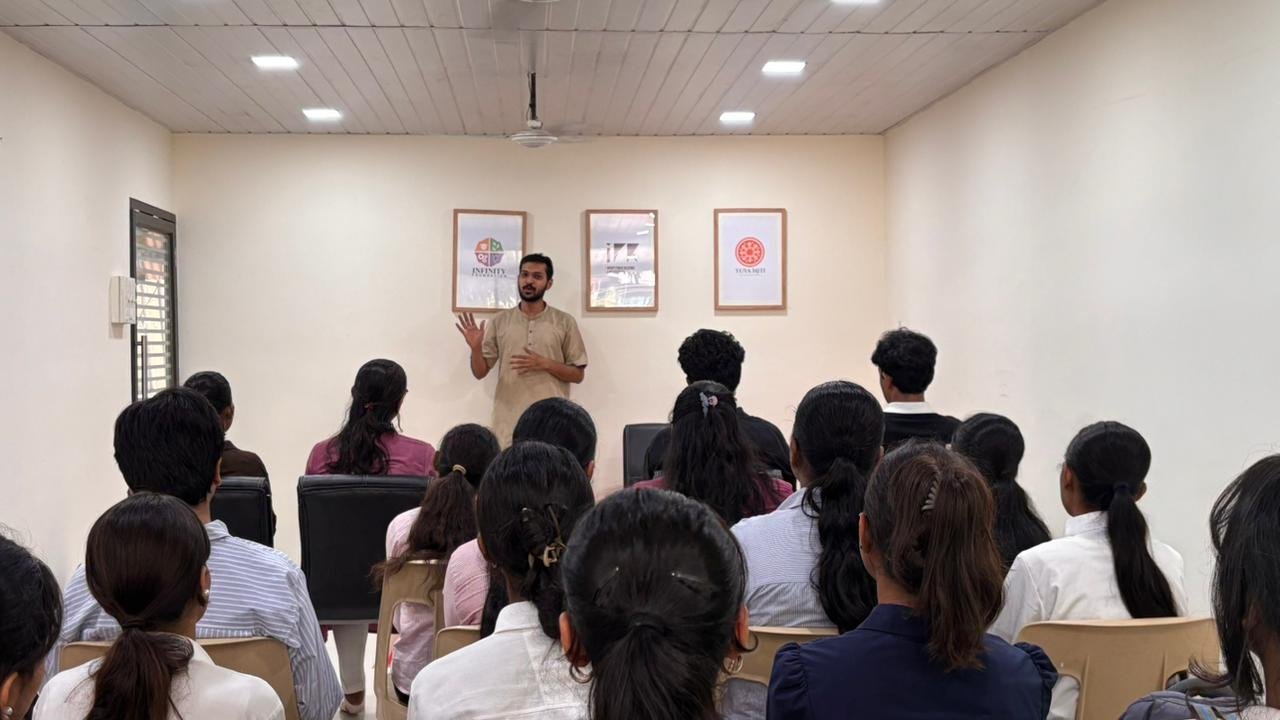
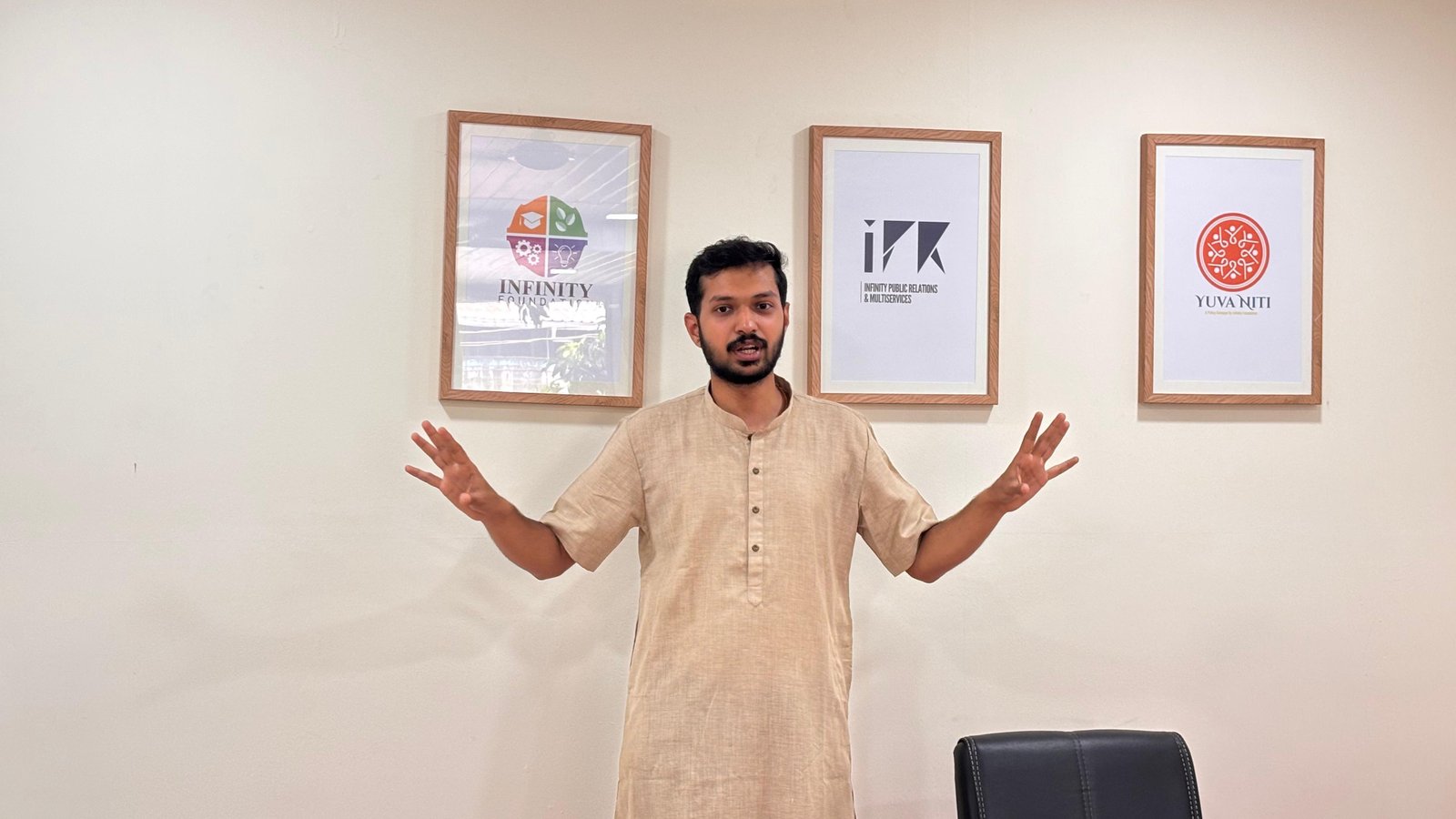
Mr. Prabhanjan Prabhu Urban Designer and Sustainability Professional based in India, with international experience across Europe and Africa. He translates complex urban challenges into clear insights and actionable solutions through design, research, and visual storytelling. His work spans large-scale urban projects with EGIS India and systems-focused collaboration with Ficus Panda and Natural Solutions. He is currently building Development Catalysts, a platform for impactful work in urban design, planning, architecture, and sustainability.
He focuses on sustainable cities, climate action, and community-driven development, contributing to a more equitable and resilient future.
Session overview: Designing Walkable Cities: Lessons from New Panvel Today’s session explored walkability not just as a feature of urban design, but as a way to understand how cities function and whom they serve. At its core, walkability is about how safe, comfortable, accessible, and engaging it is to move through a city on foot. Beyond infrastructure, it connects directly to health, economy, environment, equity, and the quality of urban life.
The discussion then focused on key principles: safety, comfort, accessibility, connectivity, and mixed use. Together, these shape whether walking is an easy choice or a daily challenge. A critical distinction emerged between mobility and accessibility. Cities often prioritise movement, but what matters more is how easily people can reach the places and opportunities they need.
Design was discussed as a tool for change, but one that depends on asking the right questions. How do people actually experience streets? What works and what does not? To answer this, we looked at research methods that combine on-ground observations such as walk audits and conversations with existing data and studies. Both qualitative experience and quantitative measurement are essential to build a complete understanding.
These ideas were then examined through the case of New Panvel, where on-ground observations helped connect theory to reality. The case highlighted both opportunities and gaps, reinforcing the need to look beyond isolated interventions and understand the broader urban system.
A key takeaway was the importance of working in an integrated way. Cities are complex systems where transport, land use, environment, and social life are deeply connected. Addressing one aspect in isolation cannot lead to meaningful or lasting change.
We concluded by reflecting on why this understanding matters. Walkability is not just a planning concern. It shapes everyday life. As citizens, we have a role in how cities evolve through our choices, awareness, and expectations. The goal is not to arrive at a single right answer, but to approach problems with clarity and context, while responding to both human needs and environmental realities.